
Cold plunge / Recovery / Buying guides
The cold, sorted.
Compare tubs, chillers, filtration, fit and real review coverage before you spend. Start with the setup that matches your space, budget and routine.
One hub. Three ways in.
Start with your goal.
Go straight to featured tubs, learn what matters before buying, or compare the major setup types without digging through a wall of articles.
Featured cold plunges
Some product links are affiliate links. Our review pages explain the basis of each evaluation; coverage of a model does not automatically mean we personally used that exact tub.

Ice Barrel
A simple, durable setup for shoppers who are comfortable adding ice or pairing a compatible model with a chiller later.
Read our review →Shop Ice Barrel
Inergize Health
A portable tub-and-chiller system for shoppers who want powered cooling without committing to a permanent hard-shell installation.
Read our review →Shop Inergize
Polar Monkeys
Design-forward home systems with multiple tub styles for shoppers balancing appearance, cooling performance and price.
Read our review →Shop Polar Monkeys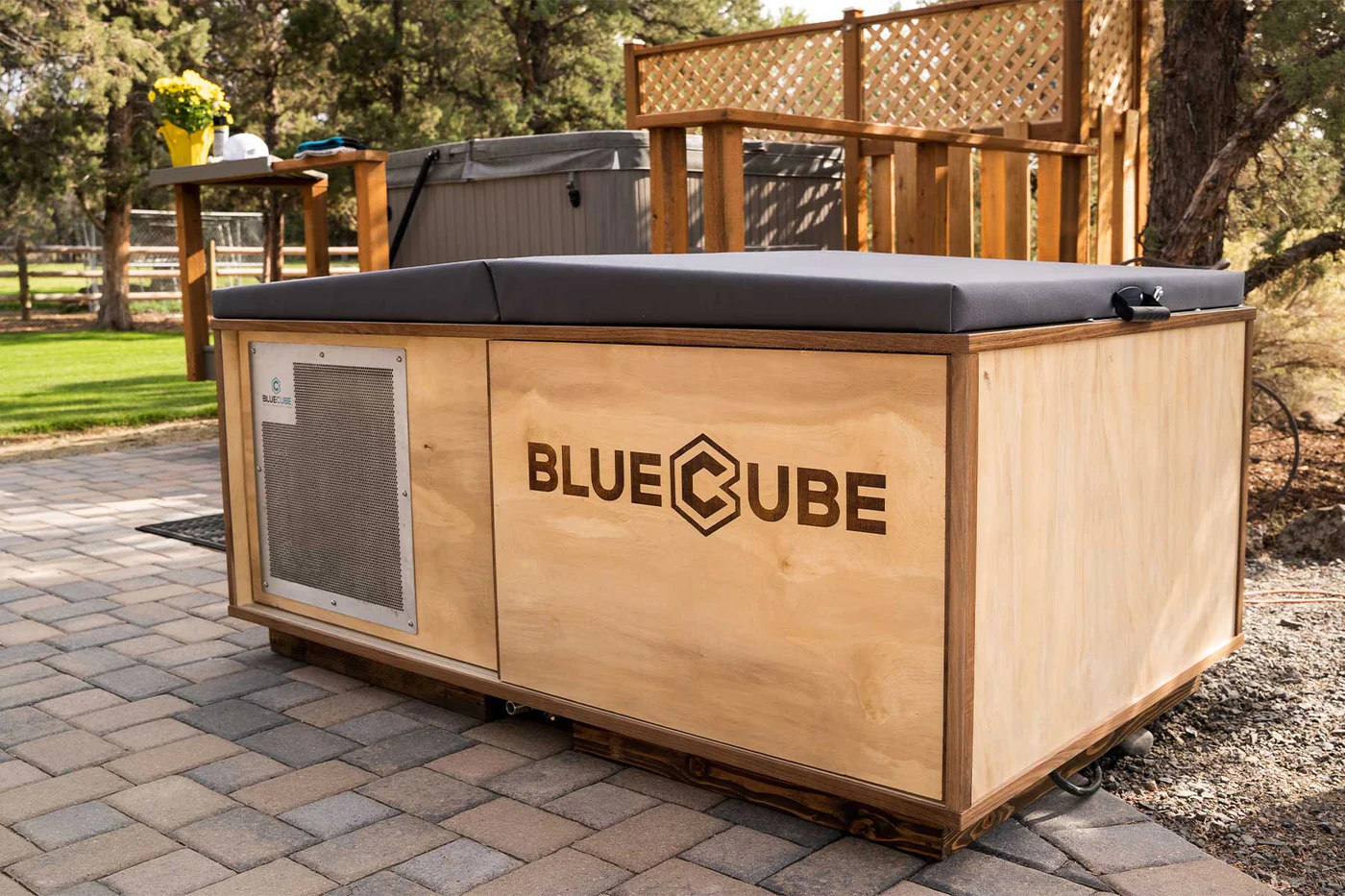
BlueCube
A premium option centered on cooling power, water movement and high-frequency use for serious home or business setups.
Read our review →Shop BlueCube| Question | Ice-only tub | Portable + chiller | Hard-shell system | Commercial system |
|---|---|---|---|---|
| Ice required | Usually yes | No, when chiller is included | No | No |
| Portability | Varies by tub | Best of the four | Usually stationary | Permanent placement |
| Water care | Manual or add-on | Model dependent | Built-in on many systems | Built for frequent use |
| Up-front cost | Lowest tier | Mid to high tier | High tier | Highest tier |
| Best fit | Simple routines | Renters and flexible spaces | Consistent home use | Gyms, teams and studios |
| Main tradeoff | Ice and maintenance | Less rigid tub | Space and installation | Cost and complexity |
Skip the endless tabs
Find your shortlist.
Each guide narrows the market around a different buyer instead of pretending one tub is right for everyone.
Before you get in
Cold shock is real.
Sudden cold-water immersion can rapidly increase breathing, heart rate and blood pressure. Enter gradually, keep your head above water, and do not plunge alone—especially while you are learning how your body responds.
Talk with a qualified healthcare professional before cold plunging if you have cardiovascular or other medical concerns. Stop immediately if you feel faint, confused, unusually short of breath or otherwise unwell. Read the American Heart Association safety overview →
How GG evaluates cold plunges.
Chiller power, operating range and the demands created by climate and repeated use.
Circulation, filtration and sanitation matter more than a dramatic product photo.
Internal dimensions, entry height, filled weight, drainage and indoor or outdoor constraints.
Setup, cleaning, replacement filters, energy use, warranty and long-term maintenance.
We judge a tub against its use case—not against whichever model has the loudest marketing.
Cold plunge 101
Questions before you plunge.
The essentials stay easy to find while deeper guides remain one click away.
Do I need a chiller to cold plunge?
No. An ice-only tub can work, but it requires buying or making enough ice and managing the water manually. A chiller costs more up front but makes temperature control and a repeatable routine easier.
What temperature should a beginner use?
There is no universal starting temperature. Begin warmer and shorter than an experienced protocol, enter gradually, and learn how you respond before increasing the challenge. Follow the tub manufacturer’s guidance and medical advice specific to you.
Does cold-water immersion help workout recovery?
Research suggests cold-water immersion can reduce perceived muscle soreness after hard exercise, but results vary by protocol, sport and recovery goal. Treat it as one recovery tool—not a replacement for sleep, nutrition or appropriate training.
What matters most when buying a tub?
Start with available space, realistic use frequency and budget. Then compare internal size, chiller power, water flow, filtration, sanitation, drainage, energy use, warranty and the cost of replacement supplies.
How often should a cold plunge be cleaned?
Follow the manufacturer’s instructions because filtration and sanitation systems differ. Water clarity alone is not a complete cleanliness test; stay current on filters, approved water treatment, surface cleaning and scheduled water changes.
What is the difference between an ice bath and a cold plunge?
An ice bath usually relies on added ice and manual temperature control. A powered cold plunge generally uses a chiller and may also include circulation, filtration and sanitation for easier repeat use.