
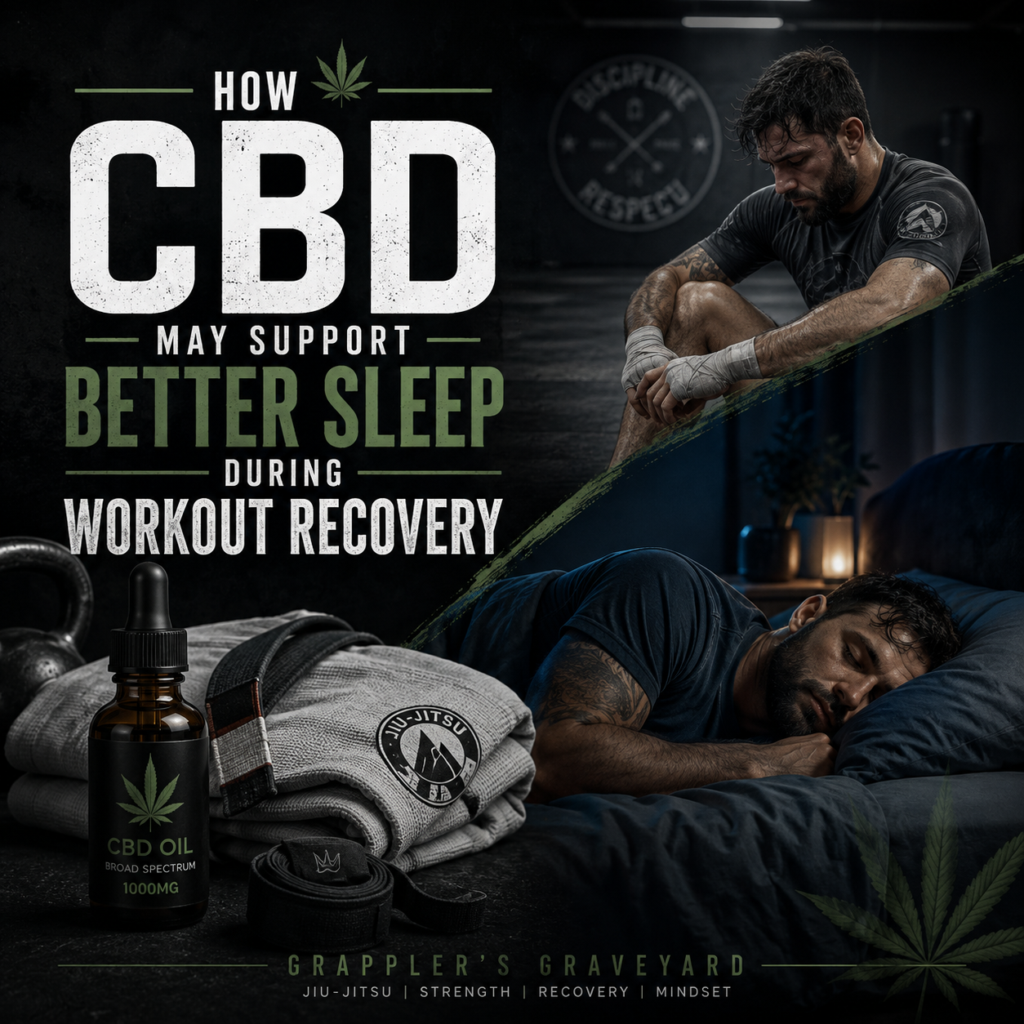
The strongest evidence for CBD and sleep comes from people who already believed it worked. That is worth knowing before reading any of it, because the athlete surveys everyone quotes measure how users felt rather than what a controlled trial found.
The underlying problem is real enough. Athletes sleep less than the general population, and a single night of total sleep deprivation can cut time to exhaustion in running or cycling tasks by up to 20%, which shows up in the next session as slower repair, higher perceived effort, and reduced accuracy.
Sleep Debt in Trained Populations
The recommended range is 7 to 9 hours per night. Elite athletes routinely fall under it, and many Olympic-level competitors sleep well below 8 hours during competition periods. Early sessions and evening events compress the window from both ends.
Chronic restriction changes measurable things. Glucose metabolism alters, reaction time slows, perceived exertion rises at the same workload, and immune defenses weaken. Muscle glycogen concentration drops. For someone training five or six days a week, the deficit accumulates faster than a weekend of catch-up sleep can repay it.
Slow-Wave Sleep and Muscle Repair
Most growth hormone release happens during non-rapid-eye-movement sleep, specifically in the slow-wave phase. That hormone drives repair of the muscle fibers broken down during training. Cortisol and testosterone are both regulated across the sleep cycle as well.
Total hours are a weaker predictor of recovery than sleep continuity once the deep stages are disrupted. Someone in bed for 8 hours with fragmented sleep gets less repair than someone with 7 uninterrupted ones. Anything that reduces the number of night wakings has a plausible route to better recovery, and that is where the interest in CBD comes from.
Purchasing Considerations for Recovery Products
Buying decisions matter as much as dosing ones. A seller that publishes batch-level lab results, prints milligram content per serving on the label, and offers a stable cbd payment process at checkout has usually been trading long enough to have real procedure behind it. Sites that ask for a bank transfer or a gift card instead are a different proposition.
Shelves and storefronts now stock tinctures, capsules, gummies, and topicals from hundreds of brands. Reading the paperwork narrows that field faster than reading the marketing copy.
Findings From the CBD Sleep Research
A 2019 study in The Permanente Journal reported that 66.7% of participants had better sleep scores after starting CBD. Work published in the Journal of Clinical Sleep Medicine found 65% of people with chronic insomnia reported improved sleep quality within a few weeks of starting.
Athlete-specific data is thinner. A 2025 survey in Frontiers in Nutrition covering 80 elite Canadian Olympic and Paralympic athletes found 93% reported better sleep and 96% considered the compound safe. That study measured perceived benefit only, and self-report from people who already chose to use a product skews high by design. The signal is consistent across the available work and the evidence grade remains low. Adjacent claims have weakened under scrutiny, with pooled analyses finding the compound no better than placebo for chronic pain, which is a caution against assuming the sleep result will hold up in controlled trials.
Sleep Onset and Pre-Bed Arousal
Several of the studies point at anxiety rather than sedation as the mechanism. People who lie awake replaying a session or a work deadline have longer sleep latency, and shortening it raises total sleep time without changing anything about the bed or the bedroom.
The Canadian athlete survey found 90% reported better relaxation, which is a softer claim than better sleep and probably the more accurate one. If CBD does anything reliable for a trained population, the likeliest route is a calmer 30 minutes before lights out. That distinction matters for anyone deciding what to test. Someone whose problem is waking at 3 a.m. is chasing a different mechanism than someone who cannot fall asleep at 11 p.m., and the same product is unlikely to serve both.
Anti-Doping Status for Competitive Athletes
WADA removed cannabidiol from its Prohibited List in 2019, and CBD alone is permitted both in and out of competition. No other cannabinoid received that treatment. Delta-9 THC remains prohibited in competition with a urinary threshold of 150 ng/mL.
Trace contamination is what actually catches athletes out. Whole-plant extracts routinely contain small amounts of THC, and products labeled THC-free have tested positive for it. Athletes under anti-doping rules are strictly liable for what is in their sample, so an inaccurate label becomes the athlete’s problem rather than the manufacturer’s. A batch-specific certificate showing non-detectable THC is the minimum documentation worth accepting, and even that leaves residual risk that a tested competitor has to weigh personally.
Dosage and Timing Variables
Published research uses doses ranging from a few milligrams to several hundred, which makes comparison across studies difficult. Lower doses have been associated with alertness in some work and with sedation in others, and nobody has established a standard bedtime dose for a trained adult.
Timing can at least be held steady while dose is unknown. Oral CBD taken 60 to 90 minutes before bed allows for digestion and first-pass metabolism. Sublingual formats act faster because they bypass part of that route. Anyone testing the compound should hold training load and bedtime steady for a few weeks, because changing four things at once produces no usable answer.
Regulatory and Labeling Gaps
The Food and Drug Administration has approved one prescription cannabis medication and treats consumer CBD as an unapproved category. Products cannot legally be marketed as treatments for insomnia, and the agency has issued warning letters to companies that market them that way.
Independent testing across the cannabis category keeps turning up inaccurate labels, and CBD is no exception. A 2017 analysis found roughly 70% of CBD products misstated their cannabinoid content, and a 2022 review of 105 products found only a quarter of them accurately labeled. A bottle holding 40% less CBD than the label states makes a personal trial meaningless, because the person running it has no idea what dose they took.
Trialing CBD for a Month
CBD, in this context, is a supplement with modest and mostly self-reported evidence behind one narrow effect, which is fewer interruptions to an already adequate night. Hours in bed and a consistent schedule account for the rest of what recovery sleep requires, and no tincture substitutes for either.
For an athlete who has those handled and still wakes three times a night, a month-long trial is a reasonable next step. Buy a lab-tested product, keep the batch report, hold the dose and the bedtime constant, and count the wakings in week one and week four. If the number has not moved by then, the answer for that person is no, and the trial has done its job.
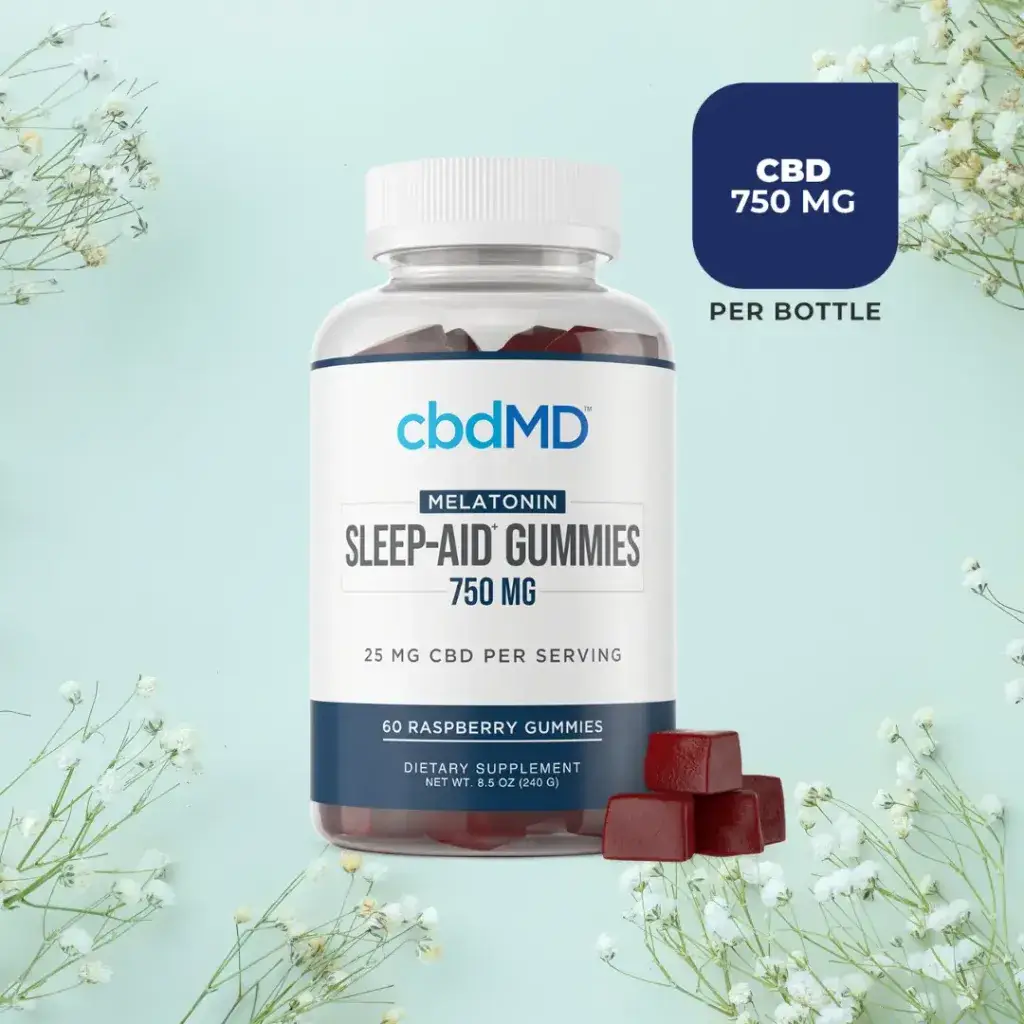
Gummies, Oils, Tinctures, and more! All with the goal in mind to help you get better sleep and decrease pain.
