The clinch is one of the most misunderstood parts of combat sports. Many beginners think it is just about grabbing an opponent and throwing knees. In reality, good clinch work requires balance, posture, timing, and control. Whether someone trains in Muay Thai, Mixed Martial Arts, or Brazilian Jiu-Jitsu, the same rule applies. The clinch is technical. Small mistakes can quickly put a fighter in a bad position. Learning the common errors early helps beginners improve faster and train more safely.
TL; DR
-
Technique beats strength – The clinch is about balance, posture, and position, not overpowering your opponent. Relax, stay structured, and focus on control.
-
Position comes before strikes – Secure head position, win hand fighting, move your feet, and break posture before throwing knees or attacks.
-
Stay active and breathe – Keep adjusting, defend while attacking, manage your energy, and drill the basics to build long-term clinch skill.
Using Too Much Strength
One of the biggest mistakes beginners make is trying to overpower their opponent. They squeeze hard, pull down on the head with force, and try to win by muscle alone. This might work for a short time, especially against someone smaller or less experienced. However, it leads to quick fatigue.
The clinch is not about who is stronger. It is about who has better position and balance. When someone uses too much strength, their movements become stiff. This makes them easier to control and counter. Good clinch fighters stay relaxed and use proper body position to create pressure. Saving energy allows them to work longer and think clearly during the exchange.
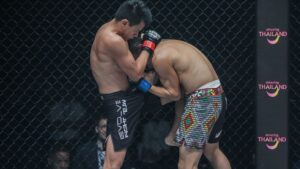
Poor Posture
Bad posture causes many problems in the clinch. Beginners often lean too far forward or bend at the waist. Some lift their chin too high or let their hips drift back. These mistakes weaken balance and make it easier for the opponent to control them.
Standing tall with a straight back and tight core gives better control. Keeping the chin down also protects against strikes. Strong posture helps a fighter push, pull, and turn their opponent without losing balance. Without it, even simple movements can feel difficult.
Bad Head Position
Head position is very important in the clinch. Where the head goes, the body often follows. If the head is out of place, control is lost. Beginners sometimes let their head hang back or move too far to one side.
Placing the head under the opponent’s chin or against the side of their jaw can help control them. It can also break their posture and create chances to strike. Keeping the head in a strong and safe position makes a big difference in close-range fighting.
Ignoring Hand Fighting
Many beginners grab a collar tie or body lock and think that is enough. They stop adjusting their grips and focus only on striking. This is a mistake. The clinch is always changing, and hand control must be constant.
Fighting for inside position is key. Underhooks, wrist control, and strong grips give better leverage. If a fighter stops working their hands, the opponent will slowly improve their position. Even small grip changes can decide who controls the exchange. Good clinch work means always adjusting and improving your hold.
Standing Still
Another common mistake is standing flat-footed once the clinch begins. Beginners often plant their feet and forget about movement. This makes them easier to sweep or turn.
Footwork still matters at close range. Small steps and slight turns can break the opponent’s balance. Good positioning of the feet helps control direction. Movement in the clinch does not need to be fast or flashy. It just needs to be steady and smart. Staying active with the feet keeps balance strong and limits the opponent’s options.
Throwing Knees Without Control
Knees are a powerful weapon in clinch-based sports. Because of this, beginners often rush to throw them. They lift their leg without first securing control. When one leg is off the ground, balance becomes weaker. If the opponent has good control, they can sweep or turn the attacker.
Strong knee strikes come after control is set. First control the upper body. Then break the opponent’s posture. After that, deliver the knee. Following this order reduces risk and increases power. Patience leads to cleaner and safer attacks.
Forgetting Defense
Beginners sometimes focus only on their own offense. They think about landing knees or getting a strong grip but forget to protect themselves. This can lead to taking unnecessary strikes.
Defense in the clinch includes keeping elbows tight to protect the body and staying aware of the opponent’s hips. Watching for incoming knees and blocking them is also important. Good fighters attack and defend at the same time. Ignoring defense creates openings that skilled opponents will use.
Holding Without a Plan
Some beginners grab the clinch and freeze. They are unsure what to do next, so they simply hold on. While control is good, doing nothing limits growth. In competition, referees may separate fighters who are not active.
Every second in the clinch should have purpose. Improve grip position, move the feet, off-balance the opponent, or prepare a strike. Small actions build better control over time. Staying active helps build confidence and skill.
Poor Breathing
The clinch can be tiring, especially for beginners. Many people tense their whole body and forget to breathe properly. This causes quick exhaustion and poor decision-making.
Slow and steady breathing helps maintain energy. Relaxing muscles that are not needed also saves strength. Learning to stay calm under pressure allows better focus and longer performance during rounds.
Skipping the Basics
Some beginners want to jump straight into hard sparring. While live rounds are important, basic drills build strong habits. Pummeling drills, posture practice, and balance work create solid foundations.
Repeating simple movements trains the body to react correctly. Without these basics, fighters often fall back on strength when pressure rises. Drilling builds confidence and clean technique.
Building Better Clinch Skills
The clinch takes time to master. It rewards patience, balance, and smart movement. Strength alone is not enough. Good posture, steady breathing, active hand fighting, and controlled strikes all work together.
By fixing these common mistakes early, beginners can improve faster and avoid frustration. Step by step, the clinch becomes less about struggle and more about control. With consistent practice and attention to detail, it becomes a strong and reliable part of any fighter’s skill set.