Shin conditioning is common in combat sports such as Muay Thai, kickboxing, and mixed martial arts. It involves gradual adaptation of the shin through controlled impact training. I will outline clear safety tips, risk factors, and structured methods to reduce injury while improving durability. This guide is designed for athletes, coaches, and beginners who want safe shin conditioning practices that support long-term performance.
TL; DR
Progress gradually: Increase impact intensity and volume slowly to prevent shin splints and stress fractures.
Prioritize technique and recovery: Proper kicking mechanics and adequate rest are essential for safe bone adaptation.
Avoid extreme methods: Do not strike hard objects or train through sharp pain; stop if symptoms persist.
What Is Shin Conditioning?
Shin conditioning refers to progressive impact training that strengthens the tibia and surrounding tissues. The goal is to improve tolerance to contact during kicks and blocks. Proper shin conditioning improves bone density, reduces pain response, and enhances striking efficiency.
Bone adapts through controlled stress. When impact is applied gradually, micro-adaptations occur. However, excessive force or poor technique increases the risk of shin splints, stress fractures, nerve irritation, and soft tissue damage. Safety must remain the priority in any shin conditioning program.
Understand the Risks Before You Begin
Shin conditioning carries measurable risk if performed incorrectly. The tibia is a weight-bearing bone and requires structured progression. Common risks include:
Shin splints (medial tibial stress syndrome)
Stress fractures
Compartment syndrome
Severe bruising and hematoma
Nerve sensitivity issues
Athletes who increase intensity too quickly face higher injury rates. Conditioning should never override recovery. Pain that persists beyond mild soreness requires evaluation.
Pre-existing conditions such as low bone density, previous fractures, or poor nutrition increase injury probability. Consultation with a sports medicine professional is advised before beginning intensive impact training.
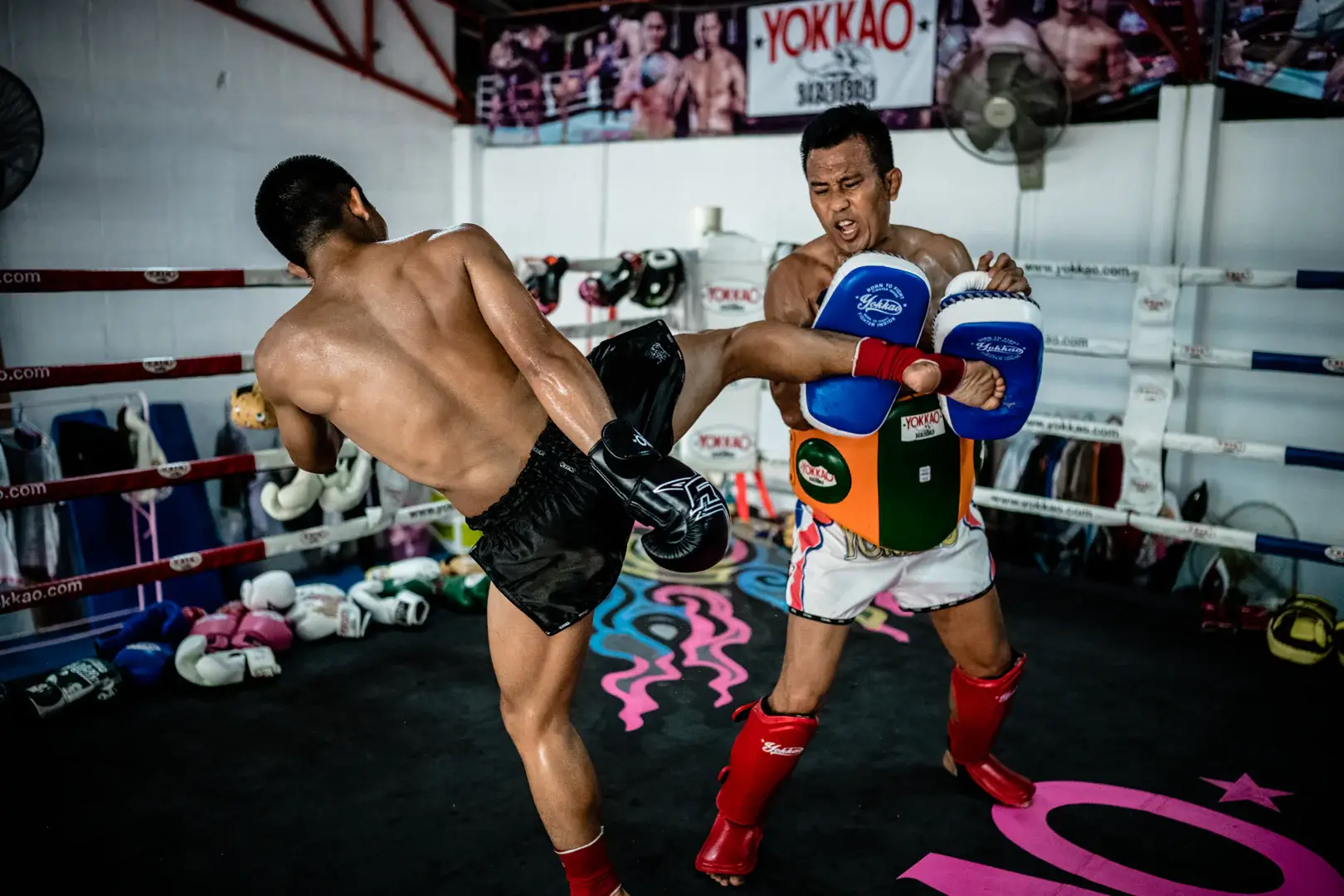
Image via YOKKAO
Progressive Loading Is Essential
The primary safety principle in shin conditioning is progressive loading. The body adapts over time. Abrupt impact escalation leads to structural overload.
Follow these structured steps:
Begin with light bag work Use a heavy bag with controlled force. Focus on technique before impact intensity.
Limit volume initially Start with low repetition counts. Gradually increase rounds over weeks.
Allow recovery days Bone remodeling requires rest. Train shins 2–3 times per week at most during early stages.
Monitor pain levels Sharp pain is a warning sign. Dull soreness that resolves within 48 hours is typical.
Avoid hard object striking such as metal poles or rigid surfaces. These methods significantly increase fracture risk and do not improve long-term conditioning outcomes.
Proper Technique Reduces Injury
I must emphasize that technique is more important than impact force. Incorrect kicking mechanics increase stress concentration on small tibial areas.
Key technique considerations:
Strike with the correct shin surface, not the foot or ankle.
Keep the ankle stable during impact.
Rotate the hip fully to distribute force.
Maintain balanced stance to reduce awkward load transfer.
Poor alignment increases torsional stress on the tibia. Training under a qualified coach improves biomechanical safety. Technical correction reduces long-term injury risk more effectively than additional impact exposure.
Recovery and Tissue Care
Recovery is part of shin conditioning safety. Adaptation occurs during rest, not during impact.
Effective recovery strategies include:
Ice application for acute swelling
Compression if mild inflammation is present
Elevation after intense sessions
Adequate sleep for tissue repair
Balanced nutrition with sufficient calcium and vitamin D
Foam rolling the calf muscles may reduce tightness, but direct aggressive rolling over the shin bone is not recommended. Massage should focus on surrounding muscle groups rather than direct bone pressure.
Persistent swelling, discoloration, or localized sharp pain requires medical assessment. Continuing to train through suspected stress fractures may cause long recovery periods.
Avoid Unsafe Conditioning Myths
Some traditional practices promote extreme impact methods. These approaches lack medical support and increase harm.
Unsafe methods include:
Striking hard fixed objects
Using sticks or rolling pins aggressively on the shin
Intentionally causing deep bruising
Skipping recovery periods
Controlled heavy bag training and sparring under supervision are sufficient for shin conditioning. Bone adaptation responds to repeated moderate stress, not severe trauma.
Signs You Should Stop Training
Recognizing warning signs prevents serious injury. Stop shin conditioning immediately if you experience:
Persistent localized pain that worsens with weight bearing
Pain during normal walking
Swelling that does not decrease
Tingling or numbness in the lower leg
Visible deformity
Early diagnosis of stress reactions prevents fractures. Continuing through pain may extend recovery to several months.
Athletes should track training volume and discomfort levels. Data tracking helps identify overload patterns before injury develops.
Protective Equipment and Training Environment
Protective gear reduces unnecessary damage during early conditioning stages.
Training surfaces should be firm but not excessively hard. Avoid uneven flooring. Environmental safety supports injury prevention.
Hydration and proper warm-up are also necessary. Warm muscles absorb impact better than cold tissue. A structured warm-up should include light cardio, dynamic stretching, and technical drills before impact work.
Long-Term Shin Conditioning Strategy
Shin conditioning is a long-term process. Rapid results are not realistic or safe. Consistency with controlled impact leads to adaptation over months, not days.
A structured approach includes:
Technical training first
Gradual impact progression
Regular rest cycles
Medical evaluation if symptoms persist
Overtraining increases cumulative bone stress. Periodization reduces this risk. Rotating between technical focus weeks and impact-focused weeks allows proper adaptation.
Bone health also depends on overall strength training. Resistance exercises such as squats and lunges support tibial loading in a controlled manner. Cross-training contributes to structural resilience.
Shin conditioning safety depends on progression, technique, recovery, and risk awareness. Unsafe shortcuts increase the likelihood of stress fractures and long rehabilitation periods. Structured heavy bag work, adequate rest, and proper mechanics provide measurable improvement without unnecessary damage. Athletes who apply these principles consistently reduce injury rates and improve performance outcomes. I recommend prioritizing safety at every stage to ensure long-term training continuity and stable development.